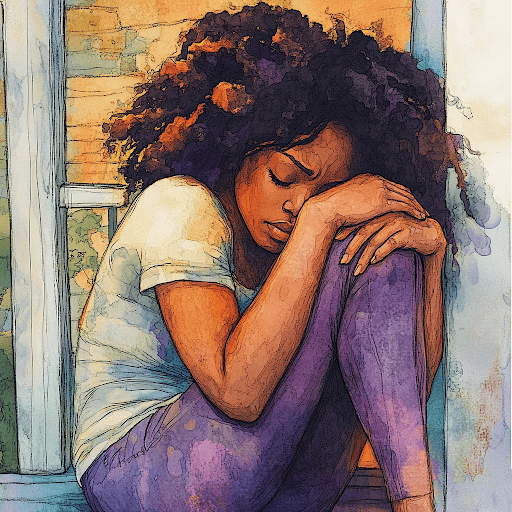
STANDING IN THE CARD AISLE FOR FATHER’S DAY WHEN NONE OF THE WORDS FIT YOUR STORY
For many people, Father’s Day is not a celebration. It is a painful reminder of a deep emotional wound.
A father wound is the lasting emotional pain caused by a father who was absent, emotionally unavailable, or unreliable — and it often shapes a person’s self-worth well into adulthood.
The experience can be confusing at first because, after all, it is just a piece of paper. Yet the card is rarely the real issue. What hurts is being reminded of the relationship you wanted but never had, the conversations that never happened, or the support you needed but did not receive. While some people are searching for the perfect words to express gratitude, others are trying to decide whether any card accurately reflects their story.
WHEN YOUR STORY DOES NOT MATCH THE CARD
- The Absent Father: For some, the challenge is finding a card for a father who chose to leave entirely.
- The Emotionally Unavailable Father: Others struggle because their father was physically present but emotionally distant. He may have provided financially, but affirmation, encouragement, affection, and connection were completely missing.
- The Unreliable Father: Still others carry the weight of broken promises, damaged trust, and years of accumulated disappointment that left the relationship strained or distant.
HOW FATHER ABANDONMENT AFFECTS ADULT SELF-WORTH
These deeply ingrained beliefs don’t vanish with age. Instead, they often show up in adulthood through what I call the 12 Shadows of Father Abandonment:
Low Self-Worth & Self-Esteem: Carrying a quiet, ongoing belief that you are not important, valuable, or lovable enough, which causes you to doubt your own voice.
Trust Issues: Struggling to pull down your guard or fully trust others because your childhood experience taught you that people eventually leave.
Relationship Patterns: Repeating cycles of unhealthy dynamics in your adult relationships, often choosing partners who mirror the emotional distance you experienced as a child.
Approval Seeking: Constantly looking to others for validation, praise, and permission because you did not receive a father’s initial blessing.
Anger & Resentment: Carrying an underlying edge of irritation, bitterness, or unvented frustration regarding the past that easily spills over into your daily interactions.
Fear of Abandonment: Constantly worrying that friends, spouses, or mentors are going to leave you, which can cause you to overanalyze every small change in their behavior.
Difficulty Setting Boundaries: Tolerating poor treatment, manipulation, or emotional neglect because you fear that saying “no” will cause people to reject you.
Identity Struggles: Feeling disconnected from who you truly are, leading to confusion about your purpose, your gifts, and your place in the world.
Spiritual Struggles: Projecting your earthly father’s absence or conditional love onto God, making it difficult to fully rest in the security of a loving Heavenly Father.
Seeking Validation Through Physical Intimacy: Using physical connection as a fast shortcut to feel seen, wanted, or valued, confusing temporary attention with true love.
Coping Mechanisms & Escapism: Turning to impulsive behaviors, numbing habits, or superficial distractions to avoid facing the deeper ache of childhood neglect.
Although the circumstances vary, the underlying question driving these twelve shadows is almost always the same: “Am I enough?” This question can follow a person for decades until healing begins to address the true wound beneath the behavior.
I appreciate the promise of this verse. God does not pretend our wounds do not exist. He does not dismiss them, minimize them, or shame us for having them. Instead, He acknowledges the pain and offers true healing.
Notice that Scripture says He binds up wounds. Those words remind us that healing is a process. Just as physical injuries require careful attention, emotional wounds require time, honesty, safe support, and God’s healing presence. Many people spend years trying to act as though father wounds no longer matter, but ignoring pain rarely produces healing. Healing begins when we acknowledge what happened, recognize how it changed us, and invite God into the places that still hurt.
GRIEVING THE FATHER YOU NEEDED
It is important to realize that the grief you feel around Father’s Day is completely valid. You aren’t just grieving a person. You are grieving a loss, which is the loss of the father you deserved to have.
It is entirely normal to mourn the absence of:
- The father who would have shown up consistently to your milestones.
- The father who would have protected your heart and your innocence.
- The father who would have intentionally encouraged your gifts.
- The father who would have made you feel seen, safe, and deeply valued.
Acknowledging this loss does not mean you are living in the past. It simply means you are being honest about your experience so you can finally move forward.
True healing is a journey, but every step forward brings you closer to spiritual freedom. It is the process of becoming healed enough to believe God’s promises for your future, rather than staying stuck in the pain of your past.
GROWTH THROUGH IT REFLECTION QUESTIONS
- When you think about your relationship with your father, what feelings come up most often?
- What beliefs about yourself developed because of that relationship?
- How have father wounds influenced your confidence, relationships, or decision making?
- What truth from Scripture challenges the negative beliefs you have carried?
- What is one practical step you can take toward healing this week?
A PRAYER FOR HEALING
Heavenly Father,
Thank You for seeing every part of my story, including the chapters that still hurt. You know the wounds I carry and the questions I have wrestled with for years. Help me release the false beliefs that were formed through disappointment, rejection, or abandonment. Remind me that my worth is rooted in who You say I am, not in the choices another person made.
Bring healing to the places that still feel tender. Give me the courage to face my pain honestly and the faith to trust that You are at work even in the areas that seem broken. In Jesus’ name, Amen.
FAITH-BASED RESOURCES TO SUPPORT YOUR HEALING JOURNEY
If today’s article resonated with you, take a moment to recognize that awareness is the first step toward true freedom. Many women spend years focusing on the symptoms of father wounds without understanding the deeper impact those experiences have had on their self-worth, relationships, and emotional health.
That is why I created these Father Abandonment Resources. Inside, you will find faith-based tools designed to help you better understand father wounds, identify unhealthy patterns, strengthen your biblical sense of worth, and take practical steps toward lasting healing.
Explore the Father Abandonment Resources Here
Your story does not end with what happened to you. With God’s help, healing is possible, growth is possible, and your future does not have to be defined by your past.
Remember to feel, heal, grow, and flow.
Dr. Nanette Floyd Patterson, CPsy.D., LCMHC Christian Therapist, Master HIScoach™, & Founder of HIScoach Training Academy