Why Love Isn’t Enough Without Clarity in Relationships
Honestly, I really cannot answer the question because one size does not fit all when it comes to being understood.
Let me explain.
There’s a scene in the movie Beyond the Lights that’s always stuck with me, not because it’s dramatic, but because it’s painfully familiar.
The main character is a young singer whose life looks full and supported from the outside. She’s busy. Her career is taking off. She’s constantly surrounded by people who are invested in her success. Her mother is involved in every decision. Her team is attentive. There’s protection, structure, and opportunity everywhere you look.
And yet, she’s worn down in a way that attention and achievement don’t seem to touch.
What’s weighing on her isn’t a lack of love. It’s the feeling of being constantly managed without being understood. People are doing a lot for her, but very few are slowing down enough to ask what it feels like to be her. Decisions are being made around her life with good intentions, but without much curiosity about her inner world.
That’s the part that lands for so many of us.
Because a lot of people aren’t walking around unloved. They’re walking around misunderstood.
Why Love and Understanding Are Not the Same Thing
One of the things I’ve noticed over the years is how often we confuse love with understanding. We assume that if someone cares about us, they should naturally get us. That shared history, proximity, or time spent together should somehow translate into emotional insight.
But that’s not how it works.
Someone can love you deeply and still miss what you need. Someone can be present in your life and still not know how to respond to you well. Love doesn’t automatically teach people how to understand you.
In Beyond the Lights, the people closest to her genuinely believe they know what’s best. They assume what success should look like. They assume what pace she can handle. They assume their way of supporting her is the right way. None of it comes from cruelty. It comes from confidence without curiosity. Over time, those assumptions begin to feel heavy and suffocating.
How Assumptions Create Disconnection in Relationships
That same pattern shows up in everyday relationships all the time. In marriages where both people care, yet still feel disconnected. In families where love is present, but conversations feel strained. In friendships where effort exists, but emotional needs go unmet.
Most relational tension doesn’t start because someone is intentionally hurtful. It starts because we assume understanding instead of building it.
We assume people should know what we need by now. We assume that what feels obvious to us should be obvious to them. We assume that if we’d respond a certain way, they should too. What we forget is that people come into relationships shaped by different families, different emotional experiences, and different models of communication.
What makes sense to you may not make sense to someone else.
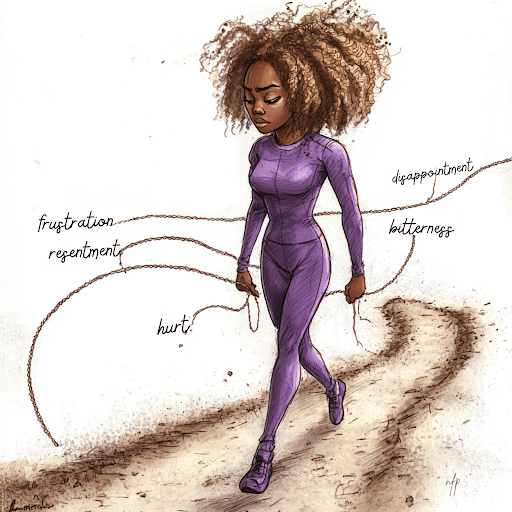
When understanding is assumed instead of explained, frustration starts to creep in. Resentment builds quietly. People begin to feel emotionally alone in relationships that actually matter to them.
Taking Responsibility for Wanting to Be Understood
This is where a shift has to happen.
Wanting to be understood is completely reasonable. Expecting understanding without ever explaining yourself, though, is where things tend to fall apart.
Understanding isn’t automatic. It’s collaborative.
One question most of us don’t stop to ask is this. What does being understood actually look like for me?
It’s easy to say, “You don’t understand me.” It’s much harder to explain what understanding would require from the other person. And yet, that explanation is often the missing piece.
For some people, being understood looks like listening without interrupting. For others, it looks like asking questions instead of jumping to conclusions. For some, it means patience when emotions are high. For others, it means remembering the little things that matter.
Understanding is personal.
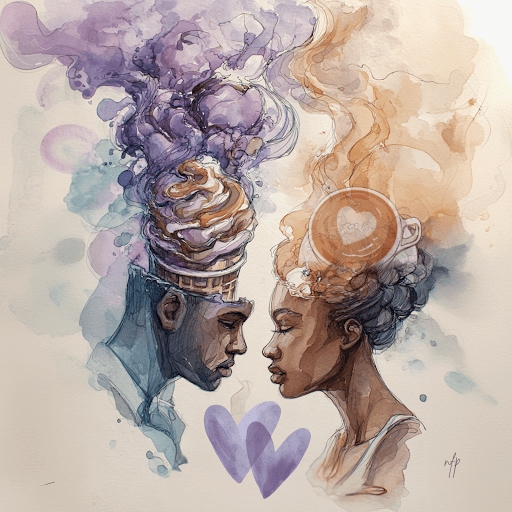
If you’ve never painted that picture for someone, they’re left guessing. And when people guess, they often get it wrong.
Giving the Benefit of the Doubt Without Self-Abandonment
There’s also room here for grace. Sometimes people aren’t refusing to understand you. They simply don’t know how. Not everyone was taught how to respond to emotions. Not everyone learned how to listen well. Not everyone grew up in environments where feelings were talked about openly.
Before assuming someone doesn’t care, it’s worth asking whether you’ve ever clearly shared what you need.
Taking responsibility for wanting to be understood doesn’t mean blaming yourself for feeling misunderstood. It means choosing clarity over resentment. It means explaining instead of accusing. It means giving people a chance to meet you where you are, instead of silently expecting them to figure it out.
That’s not weakness. That’s emotional maturity.
What Happens After You Clearly Communicate Your Needs
Once you do that, something important happens. You start to see who is willing and able to understand you better. Some people lean in. Some people try. Some people need time. Others reveal limits you didn’t see before.
Clarity doesn’t fix everything, but it does reveal a lot.
When I think back to Beyond the Lights, what ultimately brings relief isn’t success or control or even romance. It’s understanding. Someone finally takes the time to slow down and notice the person beneath the performance.
That’s what so many people are longing for. Not perfection. Not constant agreement. Just to be understood.
And that kind of understanding doesn’t begin with others doing better. It begins when we’re willing to explain ourselves with honesty, responsibility, and grace.
Grow Through It
1. Think about a recent moment when you felt misunderstood. What were you hoping the other person would do or say that you never clearly expressed?
2. If you had to paint a picture for someone you care about, how would you describe what “being understood” looks like for you during stressful or emotional moments?
At the end of the day, most of us aren’t asking the people in our lives to get everything right. We’re asking to be met with curiosity, care, and a genuine desire to understand us as individuals.
Being misunderstood doesn’t always mean someone has failed you. Sometimes it means a conversation hasn’t happened yet.
When you take responsibility for explaining what understanding looks like for you, you’re not lowering your standards or carrying the relationship alone. You’re offering clarity. You’re giving the people who matter to you a chance to show up in ways that actually support you.
Understanding grows where honesty is practiced and assumptions are replaced with communication. And while clarity doesn’t guarantee change, it does create space for healthier, more grounded relationships.
So as you move forward, consider this. The goal isn’t to be perfectly understood at all times. The goal is to be willing to share your inner world with courage and grace, and to invite others to meet you there.
That’s how understanding begins.
Dr. Nanette Floyd Patterson, LCMHC Christian Therapist | Master HIScoach™
P.S. If this message resonated, you don’t have to stop at reflection.
For Individuals wanting to go deeper…
If you’ve wanted to be understood but haven’t had the language to explain what that looks like for you, the Do You See Me? Workbook was created for this purpose. It walks you through clarifying your needs so you can communicate with honesty and responsibility instead of frustration.
The workbook is available when you’re ready to continue the work.
For Coaches, Counselors, and Ministry Leaders…
If you guide individuals or couples who struggle with feeling unseen or misunderstood, the Do You See Me? Christian Coach Toolkit provides a structured, biblically grounded framework to help them move from assumption to clarity and from blame to responsible communication.
Both resources are available for those ready to deepen the process — personally or professionally.