Can I be honest with you about something?
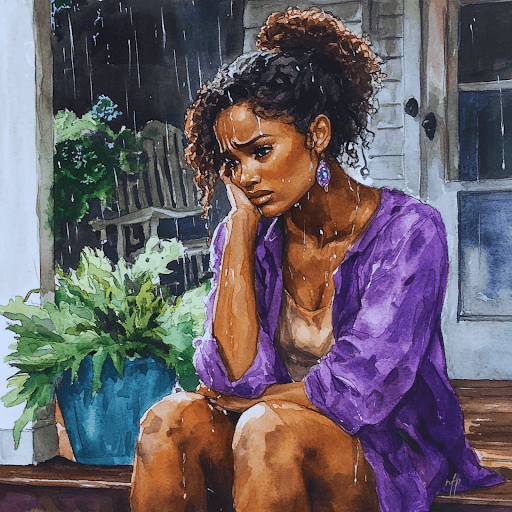
By Thursday evening, after a full week of therapy sessions—listening, engaging, holding space for pain, celebrating breakthroughs—I am mentally and physically exhausted. My cup is almost empty, my mind is buzzing with the weight of what I’ve witnessed, and all I want to do is retreat to my house and not talk to another human being for at least 48 hours.
So that’s exactly what I do. I withdraw. I regroup. I restore.
And for the longest time, I felt guilty about it.
Shouldn’t I, as a Christian woman, want to be eager to connect with others and attend social gatherings? Instead, I found myself declining weekend invitations, avoiding phone calls, and choosing solitude over fellowship. Thankfully, my closest friends know not to take it personally.
I often have conversations with my clients about their own patterns of withdrawal. Some would tell me about avoiding difficult conversations for weeks. Others described isolating themselves when depression hit, cutting off from everyone who cared about them. And still others shared about their quiet times with God that seemed to fill them up rather than drain them.
This goes to say, not all alone time is created equal.
I usually see three distinct patterns of withdrawal, and understanding the difference has been life-changing—both for me personally and for the women I walk alongside in their healing journeys.
There’s the client who cancels therapy sessions when things get hard because facing her trauma feels too overwhelming. There’s the woman who stops answering texts from friends when her anxiety spikes, building walls that keep help at bay. And then there’s the client who tells me about her morning quiet time with God, how those moments of solitude actually prepare her to face her day with more courage and peace. Three different ways of being alone. Three completely different outcomes.
Here’s what I’ve learned, both through my own experience and through countless hours of conversation with women in my office and friends: We all need alone time. The question isn’t whether we should withdraw—it’s how we withdraw and why.
There’s a profound difference between the isolation that depletes us and the solitude that restores us. One is driven by fear and leaves us feeling more disconnected. The other is driven by wisdom and actually prepares us to love others better.
My weekend isolation? I’ve come to understand it as a necessary restoration after pouring myself out all week. But I’ve also learned to be intentional about it—to include God in those quiet hours, to let Him restore my soul, not just my energy. Because I love my family and friends, I’ve learned that a balance is necessary.
This is what I want to explore with you today: the special art of being alone in a way that actually serves your soul and your calling, rather than just protecting you from life’s demands.
Whether you’re a therapist like me, a mom who’s touched out by bedtime, a leader who’s tired of making decisions, or simply a woman who feels overwhelmed by the noise of this world—you need to know the difference between avoidance, isolation, and spiritual solitude.
Let’s get into what I know about these three patterns, both from my own journey and from the women who’ve trusted me with their stories.
The Dangerous Dance of Avoidance
Avoidance feels like wisdom, but it’s actually fear wearing a disguise.
When we avoid difficult conversations, challenging situations, or uncomfortable emotions, we think we’re protecting ourselves. But we’re actually creating a prison of our own making.
Avoidance sounds like:
- “I’ll deal with that later.”
- “I’m just not ready for that conversation.”
- “I need more time to think about it.”
- “Maybe if I ignore it, it will go away.”
- “I don’t want to make things worse.”
While these thoughts seem reasonable, they often mask deeper fears: fear of rejection, fear of conflict, fear of failure, fear of being seen as imperfect.
But here’s what Scripture tells us: “Have I not commanded you? Be strong and courageous! Do not be afraid or dismayed, for the Lord your God is with you wherever you go.” – Joshua 1:9
God doesn’t call us to avoid the hard things. He calls us to face them with His strength.
The Five Faces of Avoidance
Psychologists have identified five main types of avoidance behavior, and recognizing them can help us understand our own patterns:
1. Situational Avoidance
This is when we stay away from people, places, or activities that make us uncomfortable. Maybe you avoid church small groups because you’re afraid of being judged. Perhaps you skip family gatherings because of unresolved conflict. Or you might avoid pursuing your calling because you’re afraid of failure.
2. Cognitive Avoidance
This is the mental gymnastics we do to avoid thinking about difficult things. We distract ourselves with busyness, entertainment, or even “spiritual” activities that keep us from facing the real issues in our hearts.
3. Protective Avoidance
These are the rituals and behaviors we use to feel safer. Perfectionism, over-preparation, procrastination, or even compulsive cleaning can all be forms of protective avoidance.
4. Somatic Avoidance
This is when we avoid situations that create physical sensations we don’t like—rapid heartbeat, butterflies in the stomach, or that feeling of nervous energy. We might avoid public speaking, new experiences, or stepping out in faith because of how it makes our body feel.
5. Substitution Avoidance
This is when we replace uncomfortable emotions with something that feels more manageable. We might substitute sadness with anger, fear with control, or vulnerability with busyness.
The problem with all forms of avoidance is that they keep us stuck. They prevent growth, healing, and the breakthrough God wants to bring into our lives.
The Trap of Isolation
Isolation is avoidance’s older, more sophisticated sibling.
While avoidance is about running from specific things, isolation is about withdrawing from life itself. It’s the decision to protect ourselves by keeping others at a distance.
Isolation whispers lies like:
- “You’re better off alone.”
- “People will just hurt you anyway.”
- “No one really understands you.”
- “It’s safer to keep your guard up.”
- “You don’t need anyone else.”
But Scripture warns us about the dangers of isolation: “A man who isolates himself seeks his own desire; He rages against all wise judgment.” – Proverbs 18:1
Isolation might feel like self-care, but it’s actually self-sabotage. It cuts us off from the very relationships God designed to help us grow, heal, and thrive.
The Beauty of Biblical Solitude
But there’s a third option. One that Jesus Himself modeled for us: spiritual solitude.
Solitude isn’t about running away from people; it’s about running toward God so you can be in alignment with Him.
Jesus regularly withdrew to quiet places, not because He was avoiding His calling, but because He was preparing for it:
- “And after he had dismissed the crowds, he went up on the mountain by himself to pray. When evening came, he was there alone.” – Matthew 14:23
- “And rising very early in the morning, while it was still dark, he departed and went out to a desolate place, and there he prayed.” – Mark 1:35
- “And when it was day, he departed and went into a desolate place.” – Luke 4:42
Jesus didn’t isolate; He practiced intentional solitude. There’s a profound difference.
When Jesus stepped away, it wasn’t to avoid others but to align with the Father. Isolation shelters; solitude strengthens.
The Sacred Purpose of Solitude
Biblical solitude serves several sacred purposes in the life of a believer:
1. It Creates Space for God’s Voice
In the noise and chaos of daily life, it’s easy to miss God’s gentle whisper. Solitude creates the quiet space where we can hear His voice clearly.
“Be still, and know that I am God.” – Psalm 46:10
2. It Allows for Deep Reflection
Solitude gives us the opportunity to examine our hearts, process our experiences, and align our lives with God’s will. It’s in the quiet that we can honestly assess where we are and where God is calling us to go.
3. It Provides Rest for Our Souls
Jesus said, “Come to me, all who labor and are heavy laden, and I will give you rest.” – Matthew 11:28
Solitude is where we experience this soul-deep rest that only comes from being in God’s presence.
4. It Prepares Us for Service
Far from being selfish, biblical solitude actually prepares us to serve others more effectively. When we’re filled up in God’s presence, we have more to give to those around us.
5. It Deepens Our Intimacy with God
Genuine faith naturally invites us into quiet, solitary moments where we can meet God in prayer and meditation, strengthening our relationship with Him.
How to Tell the Difference
So how do you know whether you’re practicing healthy solitude or falling into harmful avoidance or isolation? Here are some key questions to ask yourself:
What’s Your Motivation?
- Avoidance/Isolation: “I need to get away from…”
- Solitude: “I want to draw near to God so that…”
What’s the Outcome?
- Avoidance/Isolation: You feel more disconnected, fearful, and stuck
- Solitude: You feel more connected to God, peaceful, and prepared to engage
What’s Your Plan?
- Avoidance/Isolation: No clear endpoint or purpose
- Solitude: Intentional time with specific spiritual purposes
What’s Your Heart Posture?
- Avoidance/Isolation: Closed, defensive, self-protective
- Solitude: Open, receptive, seeking God
5 Signs You Need More Solitude
Sometimes we resist solitude because we’re afraid of what we might find in the quiet. But here are five signs that indicate you need more intentional time alone with God:
1. You Feel Spiritually Dry
If your prayers feel mechanical, Scripture reading feels boring, and worship feels empty, you might need some extended time in God’s presence to rekindle the flame.
2. You’re Constantly Reactive
If you find yourself snapping at people, feeling overwhelmed by small things, or unable to handle normal stress, you might need solitude to find your center again.
3. You’ve Lost Clarity About Your Calling
If you’re confused about your purpose, unsure about decisions, or feeling pulled in too many directions, solitude can help you hear God’s voice more clearly.
4. You’re Running on Empty
If you’re giving and giving but never receiving, serving others but neglecting your own soul, solitude can provide the refilling you desperately need.
5. You’re Avoiding God
If you’ve been too busy for prayer, too distracted for Scripture, or too tired for worship, you might be unconsciously avoiding the very relationship that could heal and restore you.
5 Signs You’re Isolating Instead of Seeking Solitude
On the flip side, here are warning signs that you might be falling into unhealthy isolation:
1. You’re Avoiding All People
If you’re consistently canceling plans, avoiding phone calls, and withdrawing from all relationships, you’ve moved beyond healthy solitude into harmful isolation.
2. You’re Making Excuses
If you find yourself constantly justifying why you can’t engage with others or participate in community, you might be using “needing space” as an excuse to avoid growth.
3. You’re Becoming Critical
If your time alone is making you more judgmental of others rather than more compassionate, you’re not experiencing biblical solitude.
4. You’re Losing Perspective
If isolation is causing you to become more self-focused, more anxious, or more negative, it’s time to reconnect with community.
5. You’re Avoiding Your Calling
If your withdrawal is keeping you from the work God has called you to do, it’s no longer healthy solitude; it’s avoidance.
Practical Steps to Embrace Healthy Solitude
Ready to experience the life-giving power of biblical solitude? Here are some practical steps to get started:
1. Start Small
You don’t need to go on a week-long retreat (though that might be wonderful!). Start with just 15-30 minutes of intentional quiet time with God each day.
2. Create a Sacred Space
Designate a specific place in your home for prayer and reflection. It doesn’t have to be elaborate; just a chair, a Bible, and a journal can be enough.
3. Eliminate Distractions
Turn off your phone, close your laptop, and remove anything that might pull your attention away from God.
4. Have a Plan
Don’t just sit in silence, hoping something will happen. Come with intentions: prayer, Scripture reading, journaling, or meditation on God’s character.
5. Listen More Than You Talk
While it’s good to bring your requests to God, spend more time listening than speaking. Ask Him what He wants to say to you.
6. Journal Your Insights
Keep a record of what God shows you during your times of solitude. You’ll be amazed at how He speaks when you create space to listen.
7. Return Refreshed
Remember that solitude is meant to restore and refresh you so you can show up fully to your life, not withdraw from it indefinitely.
Let’s Grow Through It
Take a moment to honestly examine your heart and answer these questions:
1. Am I currently practicing avoidance, isolation, or healthy solitude? What evidence supports my answer?
2. What is God calling me to face that I’ve been avoiding? What would it look like to approach this with His strength rather than my fear?
This week, I challenge you to create space for intentional solitude with God. Start with just 15 minutes a day. Come with an open heart, ready to listen. And watch how He meets you in the quiet places.
Remember: You weren’t created to run from life’s challenges or hide from meaningful relationships. You were created to find your strength in God’s presence and then live boldly from that place of security.
Share this message with someone who might be struggling with the balance between solitude and isolation, and take one step this week toward the sacred art of being alone with God.
It’s time to stop running away and start running toward the One who has been waiting to meet you in the silence.