I remember the first time I walked into a church as a guest speaker. My palms got sweaty, and I felt worry about not fitting in or saying the wrong thing. That feeling of fear is so common, whether it shows up during a group prayer or when we try to share our thoughts. Most of us have experienced it at some point.
God never promised we wouldn’t feel fear, but He does promise to be with us through it. We don’t have to let fear keep us trapped in the same old patterns. In this post, I’ll share how to overcome fear by letting go of anxiety and learning to trust God. If you’ve ever wished to live with more faith, peace, and real hope, you’re not alone. Let’s explore what moving from fear to faith looks like in everyday life.
Understanding Fear from a Christian Perspective
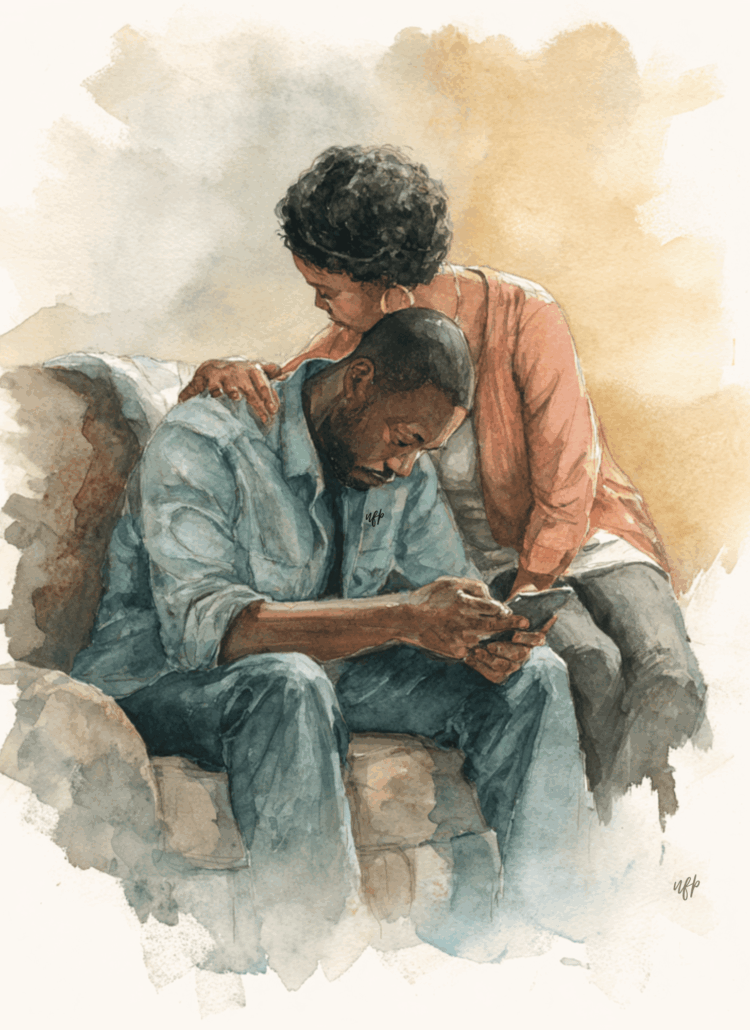
Fear can feel like a knot in your stomach, sweaty palms, or an anxious voice whispering, “What if I mess this up?” Even simple moments, like starting a conversation or volunteering at church, can trigger that spiritual anxiety. From a Christian perspective rooted in Jesus and Christ, fear often challenges our faith, but it doesn’t have to control us.
Why Do We Experience Fear?
Fear is a natural response designed to protect us. It arises from our instinct to stay safe, avoid pain, or fit in. While sometimes helpful, fear often holds us back from the calling God has for us. Different forms of fear include:
- Fear of failure: Worrying about making mistakes or falling short.
- Fear of judgment: Fearing how others perceive us.
- Fear of the unknown: Hesitating to step outside comfort zones.
- Fear of loss: Dreading the loss of something or someone precious.
I’ve experienced that pit in my stomach before significant change—maybe you have too, such as on the first day at a new job or when sharing your faith. These fears are common, especially as we follow Christ’s path.
How the Bible Talks About Fear
The Bible acknowledges fear openly. Many stories reveal people who felt afraid, yet God met them right where they were. Scripture assures us that we don’t have to be prisoners of fear.
In 2 Timothy 1:7, we read that “God gave us a spirit not of fear but of power and love and self-control.” This “spirit of fear” is contrasted with the strength and boldness God grants His people. The Lord teaches us through His word not to surrender to fear, but to rely on His spirit, power, and love.
Isaiah 41:10 says, “Fear not, for I am with you; be not dismayed, for I am your God. I will strengthen you, I will help you, I will uphold you with my righteous right hand.” This promise confirms that the love of God surrounds us, especially when we feel vulnerable.
Here’s a simple table comparing what fear tells us versus God’s truth in scripture:
| What Fear Says | What God Says (Scripture) |
| You’re not good enough | You are loved and chosen (1 Peter 2:9) |
| You might mess up | My strength is enough (2 Corinthians 12:9) |
| You’re all alone | I am with you (Isaiah 41:10) |
Faith Isn’t the Absence of Fear
It’s a common misconception that faith means being free from fear. In reality, faith means choosing to trust God even when fear is loud. It means moving forward despite anxiety, relying on the hope that comes from the Lord.
- Faith doesn’t ignore fear; it faces fear with hope.
- Faith is not about being fearless, but about believing in the love of God even when we’re afraid.
- Experiencing fear doesn’t diminish our faith; it shows our humanity. What matters is trusting God and not letting fear have the final word.
In the spiritual journey, the fear of the Lord is different from worldly fear—it leads to wisdom and peace rather than paralysis. With faith in Christ, we can overcome fear and walk boldly, knowing that God’s strength empowers us every step of the way.
How Fear Holds Us Back
Fear has a way of shrinking our experiences and holding us back from the full life God desires for us. It often blocks the path to overcome obstacles that can lead to spiritual growth and deeper connections with those God places in our lives. When I surrender control to fear, I miss out on the joy and peace that come from trusting God’s plan. Even simple acts—like saying hello to someone new—feel overwhelming when worry takes the lead.
The Everyday Ways Fear Limits Us
Fear influences many of our daily choices, often steering us toward silence or hesitation. I recognize it when I think, “Maybe I’ll just stay quiet,” or “Maybe I won’t sign up this time.” Here are some common moments people avoid because of fear and worry:
- Sharing faith or personal stories (concerned about others’ reactions)
- Joining new groups or ministries (fearing not fitting in)
- Stepping up to serve (believing we’re not ready)
- Starting a project or saying yes to something new (afraid of failure)
- Setting healthy boundaries (worried about conflict or rejection)
- Praying out loud (nervous about doing it “wrong”)
It’s clear how fear can close doors. The longer we let fear dictate our choices, the harder it is to break free. As a result, our world feels smaller—less vibrant, less joyful, and limited in spiritual freedom.
When Fear Becomes the Main Voice
Allowing fear to dominate stops us from embracing abundant life. It’s like living in a room without ever opening the door to new opportunities. Fear can:
- Prevent us from forming deep friendships and heartfelt experiences
- Hinder the gifts and talents God has placed in us from blessing others
- Make trusting God’s plan difficult, even when it’s meant for our good
The consequences of fear’s rule are often subtle—missed conversations, unrealized potential, and a long list of “what ifs” that grow over time. Taking intentional steps to overcome fear by using strong, action-oriented words can help reclaim control.
Being Honest About What Fear Has Cost
It takes courage to recognize and admit what fear has cost us. Naming where we’ve held back is often the first step toward freedom. Maybe you relate to some of these moments:
- Missing the chance to encourage or engage in prayer with someone
- Staying silent instead of sharing kindness or help
- Hiding a dream out of safety
- Sitting quietly, hoping not to be noticed
If we don’t confront these truths, fear keeps writing our story. I’ve found that asking myself, “Where has fear held me back lately?” is a powerful move toward healing. This honesty isn’t weakness—it’s the start of a wider, braver life filled with God’s peace and renewed joy in Christ.
Moving from Fear to Faith-Filled Flow
Real freedom in Christ begins when I stop letting fear control my pace. It’s not about pretending fear never visits, but about changing how I respond. Instead of sinking into worry, I reach for God’s promises and find His steady presence. Every step taken in faith, no matter how small, helps me move toward peace and flow.
Leaning Into God’s Promises
When fear creeps in, remembering truth can be a challenge on my own. That’s why I keep a few powerful Bible verses close at hand. These verses aren’t magic words, but speaking them aloud eases tension and invites calm.
Here are some memory verses I rely on when anxiety rises:
- Joshua 1:9: “Have I not commanded you? Be strong and courageous. Do not be afraid; do not be discouraged, for the Lord your God will be with you wherever you go.”
- Psalm 56:3: “When I am afraid, I put my trust in you.”
- Isaiah 41:10: “So do not fear, for I am with you; do not be dismayed, for I am your God. I will strengthen you and help you; I will uphold you with my righteous right hand.”
- 2 Timothy 1:7: “For God has not given us a spirit of fear, but of power and of love and of a sound mind.” This verse reminds me of the love of God that fills me, encouraging a spirit of courage instead of fear.
I make it a habit to keep these verses within reach:
- Saved in a phone note for quick use
- Written on a sticky note on my desk
- Tucked inside my wallet or purse
- Marked in my Bible
Repeating these promises anchors my thoughts. Sometimes I say, “God, You have not given me a spirit of fear” just before a stressful moment. Or, “When I am afraid, I put my trust in You,” during restless nights. The more I surrender to His words, the more fear loses its hold.
Practicing Small Acts of Courage
True courage rarely arrives all at once. Most days, it looks like a series of small yeses—simple, quiet steps that build a heart ready to live by faith. When I take just one small action outside my comfort zone, I demonstrate to myself and to fear that I’m willing to trust God in practical ways.
Here are some gentle ways I practice courage with action verbs like “join,” “invite,” “offer,” and “share”:
- Joining a new group at church, even when I don’t know many people
- Inviting a neighbor or coworker for coffee and conversation
- Offering to speak up in a group when my voice shakes
- Volunteering to try a task I wouldn’t normally attempt
- Sharing a brief part of my faith story with someone I trust
Each of these small acts plants a seed that grows into bigger habits of faith. The Holy Spirit provides strength I didn’t realize I had. By choosing one bold step this week, I see how my life begins to open more fully.
Here’s a simple challenge: Pick one thing you’ve been avoiding out of nervousness. Ask God for help, surrender control, then take that step—even if it feels shaky. You’ll discover a new flow and peace pattern emerging. Every small risk covered in faith invites more of God’s peace into your life.
Faith doesn’t erase fear, but step by step, it leads us into a richer life, more open to Jesus and God’s loving, steady guidance.
Living in Flow with God’s Peace
Everything changes when I stop holding on so tightly and start surrendering to God’s plan, trusting the Lord to set the pace. Moving from Fear to Faith means exchanging that tense, anxious approach for something lighter, steadier, and filled with spiritual joy. Living in flow with God is about letting Him lead, embracing His presence, and feeling a quiet confidence even amid uncertainty. I imagine it like a river—swimming against the current wears me out and breeds fear, but flowing with it brings strength and support. That’s the effect of allowing Jesus’ peace to fill my days.
What Does “Flow” Mean with God?
Flow might seem like a simple word, but in faith its power is profound. Living in flow with God means:
- Responding to the Lord’s gentle nudges and open doors
- Releasing the fear of needing to control every outcome
- Trusting that God is at work, even when I cannot see it
This isn’t about drifting or avoiding effort. Flow is intentional—a conscious choice to listen, follow, and let God’s rhythm replace fear. When fear whispers, “You must hold it all together,” the flow reminds me, “The Lord is holding you.”
Here’s how tense living contrasts with living in flow:
| Living Tense | Living in Flow |
| Checklist mind, always on edge | Relaxed trust, resting in God’s plan |
| Worried about getting it “right” | Willing to try, free to make mistakes |
| Always bracing for bad news | Expecting good from the Lord, open-hearted |
| Isolated by stress and overthinking | Connected in community, supported spiritually |
I’ve felt the difference deeply—tight shoulders and headaches give way to easier breathing and renewed energy when I live in God’s peace.
How God’s Peace Makes a Difference
God’s peace is more than calmness; it’s a powerful spiritual gift that transforms how I respond, speak, and decide. The Bible speaks of this as “the peace that surpasses all understanding” (Philippians 4:7), meaning it remains steadfast even during wild, uncertain times.
The more I hand over each fear and worry, the more this peace grows in me. It isn’t always instant—sometimes it’s like watching a plant slowly bloom—but the change is real. Every act of surrender invites another piece of God’s peace to fill the space.
Here’s what helps me rest in that peace:
- Honestly sharing my fears and struggles with God
- Letting go of things beyond my control, reminding myself daily
- Choosing to believe God’s promises from scripture, even when feeling uncertain
Peace isn’t earned; it’s received and cultivated.
Tips for Living in Flow with God’s Peace
If embracing flow sounds appealing but you don’t know where to begin, these practices have helped me move from fear to faith, even amid busy or challenging seasons:
- Begin your day with quiet
Spend a few moments in stillness or reading a short passage of scripture, inviting the Lord’s presence. Sometimes I sit with coffee, breathing deeply, whispering, “Lord, help me trust You today.” - Incorporate moments of worship
Worship tunes my heart to God’s presence—whether singing in the car, listening to hymns while cooking, or simply humming a favorite song. Worship diminishes fear and amplifies peace. - Stay connected in community
Having fellow believers who remind me of the fear of the Lord and stand with me spiritually is invaluable. When life feels heavy, reaching out—even through a simple text—anchors me in faith. - Keep a “peace list”
I jot down anxieties alongside God’s promises and truths, trading worry for the Lord’s strength. - Recognize signs of tension
When I notice physical stress—tight jaws or rushing footsteps—I pause and ask, “Where am I trying to carry burdens God never asked me to bear?” This helps me refocus on surrender.
These suggestions aren’t about perfection but consistent practice. Gradually, peace becomes a way of being.
God’s Peace, Your Gift
God’s peace isn’t earned by perfect faith—it’s a daily gift freely given. As I practice letting the Lord handle my fears and worries, I find myself flowing in freedom instead of forcing through anxiety. Even on the hardest days, God’s peace is a firm anchor and guiding hand, leading me forward.
Conclusion
Fear is something we all face, but it doesn’t have to control our lives. God’s strength is greater than any challenge, and He promises to walk with us as we overcome fear. Each small step of courage matters, even when it feels uncertain at first.
I want to keep moving forward, trusting God to fill the spaces where worry tries to take hold. When we trust Him, we experience true peace and the freedom to live with joy. This faith gives me hope and the strength to keep going.
God, grant me courage and peace for whatever lies ahead. Help me to live by faith, knowing You are always with me, no matter what I feel.
Muah!
Dr. Nanette Floyd Patterson, LCMHC Christian Therapist | Master HIScoach™