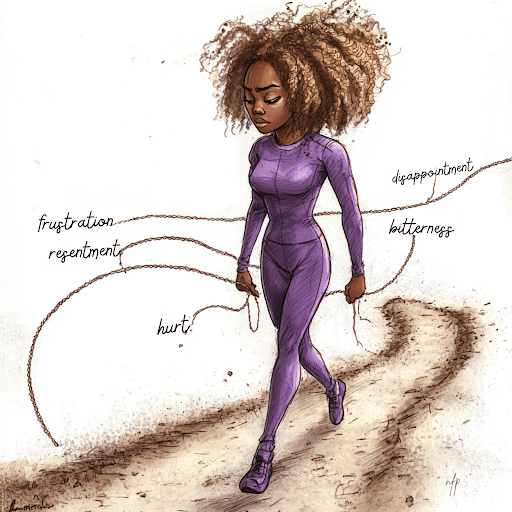
Have you ever found yourself upset with someone, feeling angry, withdrawn, or even resentful, only to realize that they never agreed to what you expected of them? This week, we’re tackling a hard truth:
“Expectations without agreement is a setup for disappointment.”
A lot of us are living by invisible contracts. These are unspoken rules we assume other people agreed to, even though they never saw them. In friendships, marriage, work, or ministry, most of our frustration isn’t about what someone didn’t do. It’s usually about what we never actually said.
And when we don’t get what we expected, we often spiral into frustration, self-doubt, disappointment, or even silence.
The Reality of Expectations
Disappointment happens when things don’t go the way we thought they would. We plan, imagine, and predict outcomes in our minds. But when real life takes a different turn, it can leave us feeling frustrated, overlooked, or even discouraged.
Many of the expectations we hold aren’t based on clear conversations. They’re based on assumptions, personal timelines, or silent hopes. No one confirmed them. No one agreed to them. But we still carry the weight of what we thought should happen.
That letdown often comes from expectations we never checked. Were they realistic? Were they ever communicated? Were they agreed on? Or did we just assume?
The Trap of Assumed Expectations
There are three core ways expectations can become toxic:
- Assumed Expectations – You think they should know.
- Unspoken Expectations – You never actually say it out loud.
- Unrealistic Expectations – Even if they knew, it’s more than they can give.
In each of these, agreement is missing. And without agreement, there’s no mutual understanding, only potential for offense.
How to Break the Cycle: Moving From Assumption to Agreement
1. Communicate Clearly
Stop hinting. Stop hoping. Start speaking.
“Let your ‘Yes’ be ‘Yes,’ and your ‘No,’ ‘No.’” – Matthew 5:37
If you’re expecting something from someone, say it. Ask them if they agree. If they don’t, adjust your expectations accordingly.
2. Check Your Motives
Ask: Why do I expect this? Is it rooted in entitlement, fear, past trauma, or unhealed wounds?
“Above all else, guard your heart, for everything you do flows from it.” – Proverbs 4:23
Unhealed hearts form unhealthy expectations.
3. Practice Mutual Agreement
Whether it’s a relationship, a work role, or even ministry, mutual agreement builds trust.
Before you serve, commit, or support, clarify roles and expectations.
4. Release What You Can’t Control
People can’t always meet your expectations, and that’s okay. They weren’t created to fulfill your every need. Only God can do that.
“My soul, wait silently for God alone, for my expectation is from Him.” – Psalm 62:5
Let’s Grow Through It
Here are a few reflection questions to “grow through” this week:
- What expectations have I been holding that I never actually verbalized?
- Who in my life do I need to have a clarifying conversation with?
Real-Life Examples: This Is Where We Live
In Marriage: You expect your spouse to be emotionally available after a long workday. They expect to relax in silence. No conversation = conflict.
In Ministry: You expect others to help carry the load because “they see you struggling.” They expect you to ask if you need help. The result? Resentment builds.
At Work: You expect recognition for going the extra mile. Your boss expects that’s just part of the job. No agreement = disappointment.
In Family
You expect your family to show up for you the way you show up for them. They think everything is fine unless you say something. Unspoken needs turn into quiet frustration.
In Friendship
You expect your friend to check in when you’re going through something. They assume you’ll reach out if you need anything. Both of you end up feeling distant for no clear reason.
Jesus Modeled Healthy Expectations
Jesus had clear expectations, but He also communicated them. He told His disciples what to expect (Luke 9:22), but He never assumed they’d just get it. He asked questions, repeated Himself, and walked with them patiently.
What would shift in your life if you did the same?
Shift from Expectation to Agreement
Expectations are not bad, but when they go unspoken, unagreed upon, or unexamined, they can be dangerous.
Start shifting from assumption to agreement. From silent disappointment to open conversations. And most importantly, from placing the weight of your expectations on people to placing your hope in God alone. When people fall short, God still shows up beyond what you imagined.
“Now to Him who is able to do immeasurably more than all we ask or imagine…” – Ephesians 3:20
Help Your Relationships
Is there a relationship in your life that feels heavy, tense, or distant because of unspoken expectations? Take the brave step to speak up. Clarify what you need. Invite agreement, not assumption.
Healthy relationships grow through honest conversations, and this might be the one that changes everything.